
Work, Independence, and the Limits of Ability
The Minds of Billy MilliganThis thread follows Billy’s attempts to earn a living and establish an independent life, as changing abilities and periods of confusion repeatedly undermine his employment.
increasing Bearing strength in each event
 decreasing
Bearing strength in each eventdecreasingA First Job and a Family Gesture
Work as an Attempt at Repair
Entering employment
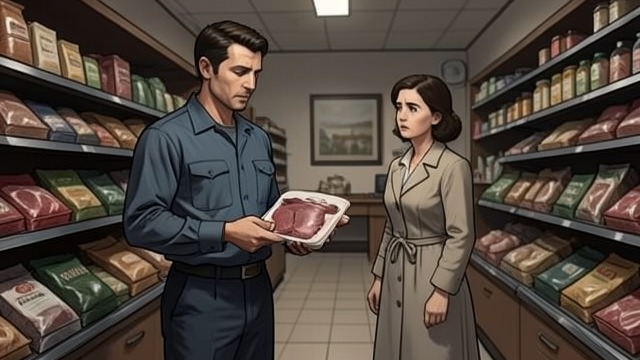
Billy took a part-time delivery job at a grocery store while still living in a strained household. The job offered a small measure of routine and the possibility of earning money through his own effort.
A purchase that cannot repair the home
He used part of his first pay to buy a steak for Chalmer, hoping that a gesture of care might improve their relationship. The effort coincided with another episode of violence against Dorothy, revealing how little control Billy had over the conditions he hoped to change.
The Flower Shop and Lost Opportunity

Skills Find a Small Market
A varied workforce within one body
At a Lancaster flower shop, Timothy handled much of the floral work and Adalana sometimes arranged flowers, while Allen helped secure a place for paintings in the shop window. The job briefly linked different talents to steady work and possible sales.
A breach ends the arrangement
The shop owner made an unwanted advance toward Timothy, who withdrew from the situation. When Tommy returned, he found the store empty and the paintings gone, and his anger drove him to break the window. The loss ended the opportunity and reinforced the difficulty of maintaining work through unstable periods.
A Nursing Home’s Demands
Labor and Ambition
Menial work and skilled service
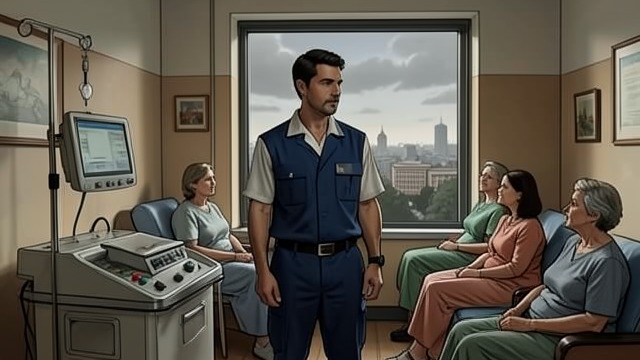
At the Homestead Nursing Home, Mark performed repetitive chores while Arthur focused on medical work, attending to residents and studying their needs. The job exposed a sharp contrast between the labor available to Billy and the professional future Arthur imagined.
A short-lived position
The employment ended when the administration discovered Billy was underage for night-shift work. The dismissal underscored how even a promising opportunity could be cut short by external rules, while the household’s financial need remained unresolved.
Industry, Prison, and Skilled Work
Repeated Attempts to Find a Place
Unstable civilian employment
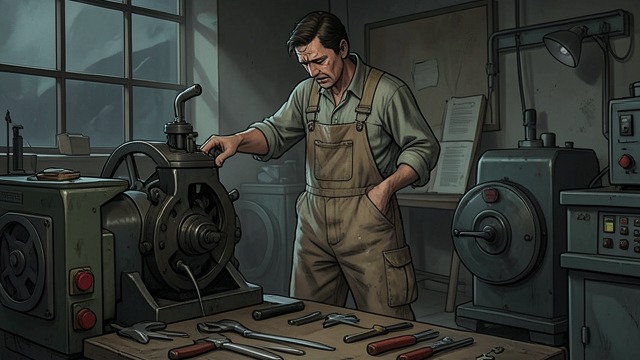
Billy moved through factory and maintenance jobs, but absences, confusion, and shifting abilities made his performance unpredictable. At the apartment complexes, he could present himself as an able repairman, yet jobs failed when the person able to do a particular task did not appear.
Recognition within prison
In Lebanon prison, art and medical interests gave him a more sustainable routine. The prison hospital and graphic-arts room recognized abilities that civilian employers had seen only intermittently, though these roles remained dependent on institutional permission and the cooperation of staff.
A Future Built from Paintings

Income and Self-Definition
Art becomes a practical resource
After arriving at the Athens Mental Health Center, Billy painted prolifically and received requests from people interested in buying his work. He viewed the proceeds as a possible means of supporting himself and financing a future beyond hospital life.
Public success creates new pressure
He also wanted his work to contribute to child-abuse prevention, but the money and attention attracted criticism from people who believed he was receiving special treatment. His artistic independence grew alongside renewed limits on his freedom and the continuing debate over how he should be treated.
January 1971, in Lancaster
1973, before Billy’s move into his own apartment
Summer 1973, after the flower shop closed
1973 to 1977, from Lancaster employment through Lebanon prison
Late 1978 to summer 1979, after the insanity acquittal
